Source CE Certified Bag Feeder Machine for Mining, Metallurgy, and Chemical
Find 30 CE certified bag feeder machines for mining, metallurgy, and chemical industry applications. Buyers can compare models like WT100 and TLS-3, featuring stainless steel construction, vibration movement, and optional weighing devices to suit specific production needs.
Key considerations
Products List


Advanced Dust-Free Small Bag Unpacking Machine with Automatic Feeder
$1500.00 - $9000.00
MOQ: 1 Pieces


Automatic Pre Feeder, Paper Feeder Machine Automatic Feeding Machine
$25000.00 - $35000.00
MOQ: 1 Pieces
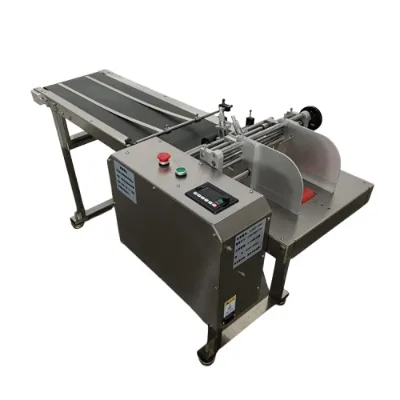
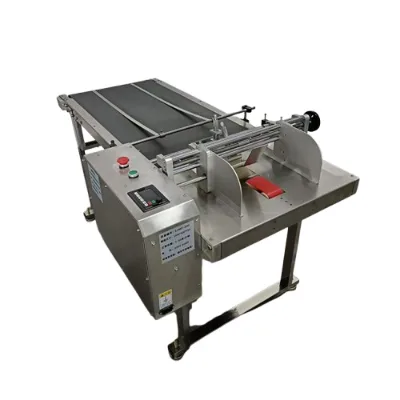
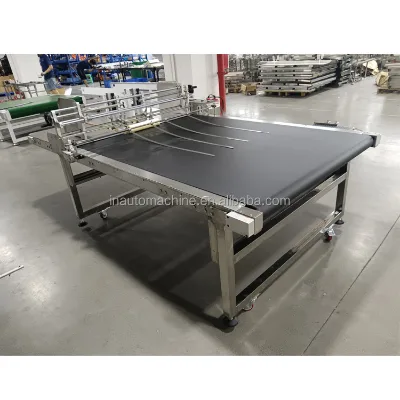


Automatic Feeder Automatic Feeder Electric Vacuum Conveyor Feeding Machine
$2592.00 - $2900.00
MOQ: 1 Pieces


Professional Vertical Bag Machine - with Automatic Integrated Zipper Feeder
$25000.00 - $28000.00
MOQ: 1 Sets


Comprehensive Sourcing Guide
Strategic Sourcing Guide for CE Certified Bag Feeder Machines
Navigating the global market for industrial feeding equipment requires a disciplined approach, particularly when the core requirement involves a CE Certified Bag Feeder Machine. For procurement professionals in sectors ranging from metallurgy to chemical processing, the distinction between a generic feeder and a certified, compliant unit is critical for operational safety and regulatory adherence. This guide synthesizes available product attributes and industry standards to provide a comprehensive framework for evaluating potential suppliers and specifications. The focus remains strictly on observable facts and verified technical parameters, ensuring that procurement decisions are grounded in evidence rather than speculation.
Understanding Technical Specifications and Operational Capabilities
The foundation of any successful procurement for a bag feeder machine lies in a precise understanding of its technical specifications. The market offers a diverse range of models, each tailored to specific throughput and material handling needs. Buyers must first assess the capacity requirements, which can range significantly depending on the application. Observed data indicates that certain models in this category feature a capacity of up to 150 tons per hour, a figure that dictates the scale of the entire production line. The feeding rate control mechanism is another pivotal specification; while some units operate with semi-automatic controls, others may offer fully automated integration via PLC systems.
Material compatibility is equally vital. The construction of the machine is predominantly observed to utilize stainless steel, a choice that ensures durability and resistance to corrosion, particularly in the chemical industry or ore-dressing environments. The motor power is a variable attribute, with observed ranges starting from 1 kilowatt, suggesting that power requirements must be matched precisely to the specific load and material density. For instance, handling powder raw materials may require different motor configurations compared to handling gravel or ore.
The physical design of the feeder also varies. Some units are classified as "Open-Type," while others are "Closed-Type," a distinction that directly impacts dust containment and environmental compliance. The movement mode is frequently identified as vibration, which is essential for the consistent flow of bulk materials. Furthermore, the maximum feeding size is a hard constraint; specific models support a maximum feed size of 630 mm, a parameter that buyers must verify against their raw material dimensions to prevent jamming or equipment damage. The chute size is often customizable, allowing for integration into existing infrastructure, while the installation slope is typically set to zero for standard horizontal operations.
Compliance Verification and Certification Standards
When sourcing a CE Certified Bag Feeder Machine, the verification of certification status is not merely a formality but a critical compliance step. The CE mark indicates conformity with health, safety, and environmental protection standards for products sold within the European Economic Area. However, buyers must treat certification claims with scrutiny. The supplied data confirms that CE certification is a documented attribute for several models in this category, often appearing alongside ISO certifications.
It is essential to understand that certification is not a static attribute but a process that requires validation. Buyers should request the specific CE declaration of conformity and the associated technical file for the exact model number being purchased. The presence of ISO certification, such as ISO 9001 for quality management, further supports the supplier's commitment to standardized production processes. The data indicates that certifications like CE and ISO are standard offerings, but the specific scope of these certifications must align with the machine's intended usage. For example, a machine used in a high-dust environment like a chemical plant may require additional safety certifications beyond the basic CE mark.
Buyers should also verify the "Automatic Grade" of the machine. Some units are listed as "Automatic," which implies a higher level of integration and control, potentially requiring more rigorous safety testing to meet CE standards for automated machinery. The "Flexible Production" attribute, noted as "Lean Production" in some contexts, suggests that the machine is designed for efficient, low-waste operations, which often aligns with modern safety and environmental regulations. However, the specific standards applied, such as ISO 12100 for safety of machinery, should be explicitly confirmed by the supplier rather than assumed.
Cost Drivers and Pricing Structure Analysis
The pricing structure for bag feeder machines is influenced by a complex array of factors, resulting in a wide observed range from 150 to 85,000 USD. This vast disparity is not indicative of quality variance alone but reflects differences in capacity, automation level, and customization. The minimum order quantity (MOQ) also plays a significant role in the total cost of ownership, with observed ranges from 1 to 150 units. For buyers seeking a single unit for pilot testing, the lower end of the MOQ spectrum is advantageous, while bulk procurement for large-scale operations may benefit from the economies of scale associated with higher volumes.
Key cost drivers include the motor power, which ranges from 1 kW upwards, and the material composition. Stainless steel construction, while more expensive than carbon steel, offers superior longevity and is often a prerequisite for food-grade or corrosive chemical applications. The inclusion of optional configurations, such as a weighing and measuring device, adds to the base price but provides significant value in process control and inventory management. Similarly, the control method, whether button-based or PLC-driven, impacts the cost, with PLC systems offering greater precision and integration capabilities at a higher price point.
Customization is another major factor. While the product standard is often listed as "Depends On Each Order" or "Customized," bespoke engineering for chute sizes, mounting configurations, or specific voltage requirements (ranging from 220V to 600V) will increase the unit cost. The packaging method, whether a non-fumigated wooden box, a standard wooden case, or a carton, also affects logistics costs and the final price. Buyers must balance the initial purchase price against the long-term operational efficiency and maintenance costs associated with these features.
Typical Applications and Industry Use Cases
The versatility of the bag feeder machine is evident in its diverse application across multiple industries. The primary use cases identified include ore-dressing, metallurgy, gravel fields, chemical industries, and building materials production. In the metallurgy sector, the machine's ability to handle high-capacity feeding rates up to 150 t/h makes it suitable for large-scale smelting and processing operations. The vibration movement mode ensures a steady flow of heavy materials, reducing the risk of blockages in the feeding line.
For the chemical industry, the closed-type appearance and stainless steel construction are critical. These features prevent contamination and ensure that the machine can withstand exposure to corrosive substances. The "Dust Free" aspect of the machine, as noted in some product names, is particularly relevant for industries where air quality and worker safety are paramount. The optional weighing and measuring device allows for precise dosing of chemical ingredients, which is essential for maintaining product quality and consistency.
In the building materials and gravel fields, the machine's robustness is key. The ability to handle a maximum feed size of 630 mm allows it to process large aggregates without the need for pre-crushing in some cases. The continuous production continuity attribute ensures that the machine can operate for extended periods without interruption, a requirement for high-volume construction material manufacturing. Additionally, the "Production Scope" of parts production line suggests that these machines are also integral to the assembly of larger systems, further highlighting their adaptability.
Supplier Evaluation and After-Sales Support
Selecting the right supplier is as important as selecting the right machine. The data indicates that suppliers offer a range of after-sales services, including support and overseas third-party support availability. This is a crucial differentiator, especially for international buyers who may not have immediate access to local technical expertise. The warranty period is consistently listed as 1 year or 1 year, providing a baseline for the supplier's confidence in their product's durability. However, buyers should negotiate terms that extend beyond the standard warranty if the machine is critical to their production line.
The "After-Sales Service" attribute, which includes support, suggests that the supplier is committed to maintaining the machine's operational efficiency. Buyers should inquire about the availability of spare parts, the response time for technical support, and the training provided for operators. The "Flexible Production" and "Lean Production" attributes of the supplier may also indicate a more agile and responsive supply chain, capable of handling custom orders and modifications efficiently.
Furthermore, the "Automatic Production Line" attribute suggests that the supplier utilizes modern manufacturing techniques, which can lead to higher quality control and consistency in the final product. Buyers should verify the supplier's production capabilities, including their ability to meet the "Production Continuity" requirements of the buyer's facility. The "Condition" of the machine is listed as "New," which is a standard expectation, but buyers should ensure that the machine is indeed brand new and not refurbished or reconditioned.
Quality Control and Long-Term Procurement Considerations
Ensuring the quality of the bag feeder machine requires a rigorous quality control process. The "Condition" being "New" and the "Automatic Grade" being "Automatic" are good starting points, but buyers must verify the manufacturing standards. The "Production Scores" attribute, noting "Multiple Varieties," suggests that the supplier has experience with diverse product lines, which can be an indicator of robust quality management systems. The "Standard" for the product is often "Customized" or "Depends On Each Order," meaning that buyers must clearly define their quality requirements in the purchase order.
Long-term procurement considerations include the machine's maintenance requirements and lifecycle. The "Warranty" of 1 year is a standard offering, but buyers should consider the cost of maintenance and the availability of spare parts over the machine's lifespan. The "Transmission Type" being "Flexible" suggests that the machine is designed for ease of maintenance and adaptability to different operational conditions. The "Installation Slope" of 0 indicates a standard horizontal setup, which simplifies installation but requires careful planning for the overall plant layout.
Buyers should also consider the "Rhythm" of the production line, which is noted as "Non Flow Production Line" in some contexts. This implies that the machine may be part of a batch processing system rather than a continuous flow system, which has implications for scheduling and inventory management. The "Printing Page" attribute, listed as "Double Faced," may refer to labeling or documentation, which is a minor but necessary detail for compliance and tracking.
Conclusion and Procurement Best Practices
Sourcing a CE Certified Bag Feeder Machine requires a meticulous approach that balances technical specifications, compliance requirements, and cost considerations. The observed data provides a solid foundation for understanding the capabilities of these machines, from their capacity and material handling to their certification and after-sales support. Buyers must verify all claims, particularly regarding certifications and customizations, to ensure that the machine meets their specific operational needs.
By focusing on the technical attributes such as motor power, material construction, and control methods, buyers can make informed decisions that align with their production goals. The wide range of applications, from metallurgy to chemical processing, highlights the versatility of these machines, but also underscores the need for careful selection based on the specific industry requirements. Ultimately, a successful procurement strategy involves a thorough evaluation of suppliers, a clear understanding of the machine's capabilities, and a commitment to long-term quality and support.
FAQs
What certifications do these bag feeder machines hold?
These machines typically hold CE and ISO certifications to ensure compliance with safety and quality standards. Buyers should verify the specific declaration of conformity for the exact model, as certifications like ISO 9001 support standardized production processes for the equipment.
How is the feeding rate controlled on these units?
The feeding rate control is often semi-automatic, though some models offer fully automated integration via PLC systems. The control method can be button-based or PLC-driven, allowing for precise management of the material flow depending on the specific application needs.
Which materials are compatible with this machine type?
The machine is constructed from stainless steel to handle powder raw materials and resist corrosion in chemical environments. It is suitable for diverse applications including ore-dressing, metallurgy, gravel fields, and building materials, ensuring durability across various industrial sectors.
Can the machine handle large raw material sizes?
Yes, specific models support a maximum feeding size of 630 mm to process large aggregates without pre-crushing. This capacity allows for continuous production in high-volume settings like metallurgy and building materials, preventing jams and ensuring consistent flow.
What is the typical delivery time for these machines?
The standard delivery date ranges from 10 to 25 days after the order is confirmed. This lead time applies to new units and may vary slightly depending on customization requirements such as specific chute sizes or voltage configurations for the buyer's facility.
How is the warranty and after-sales service provided?
The standard warranty period is one year, providing a baseline for the supplier's confidence in product durability. After-sales support includes overseas third-party assistance and spare parts availability, ensuring operational efficiency for international buyers who need technical expertise.